Banshoreki › Observatory
Observatory
Numbers by date, and the tables that check them. The same calculation as the consultation tools, so the same input gives the same numbers everywhere.
Longitudes, houses and aspects for any date and place, with declinations, harmonics, midpoints and the premises behind each value.

Daily overview and detailed tables at 1, 6, 12 or 24 hour intervals (JST or UT): ten bodies, mean and true nodes, mean and true Lilith, Chiron, sidereal time, retrograde marks and sign changes. CSV export.

Solar terms, new moons, the lunisolar calendar, the sexagenary cycle of days, months and years, rokuyō and the nine stars, for any year from 1900 to 2100. Checked against the National Astronomical Observatory of Japan.
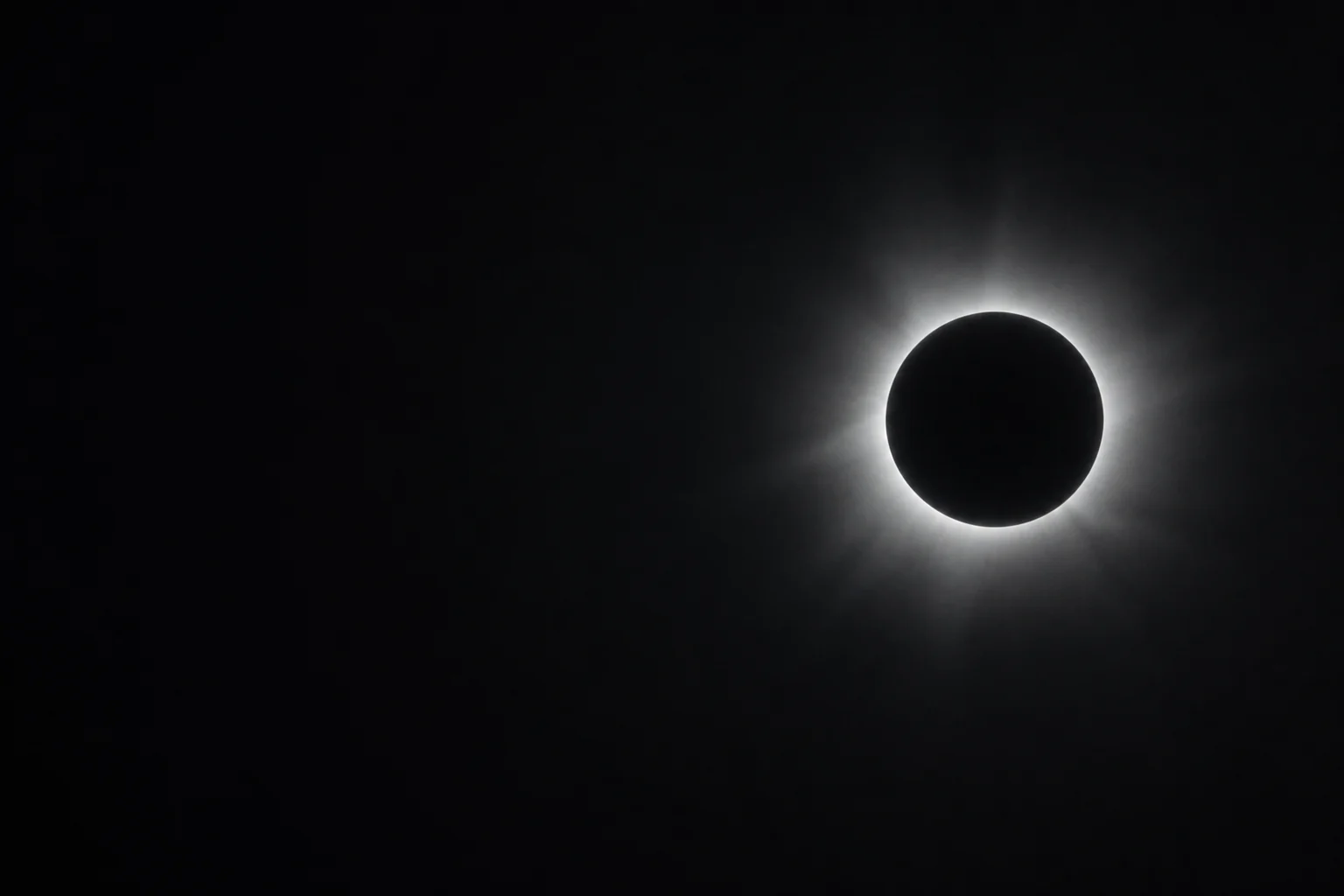
Solar and lunar eclipses for a range of years, where each falls in a natal chart, whether it was visible from the birthplace, and the prenatal eclipses.

130 standard stars (optionally 508, with name search) with proper motion, their ecliptic positions on any date, and conjunctions with natal bodies, Ascendant and Midheaven.
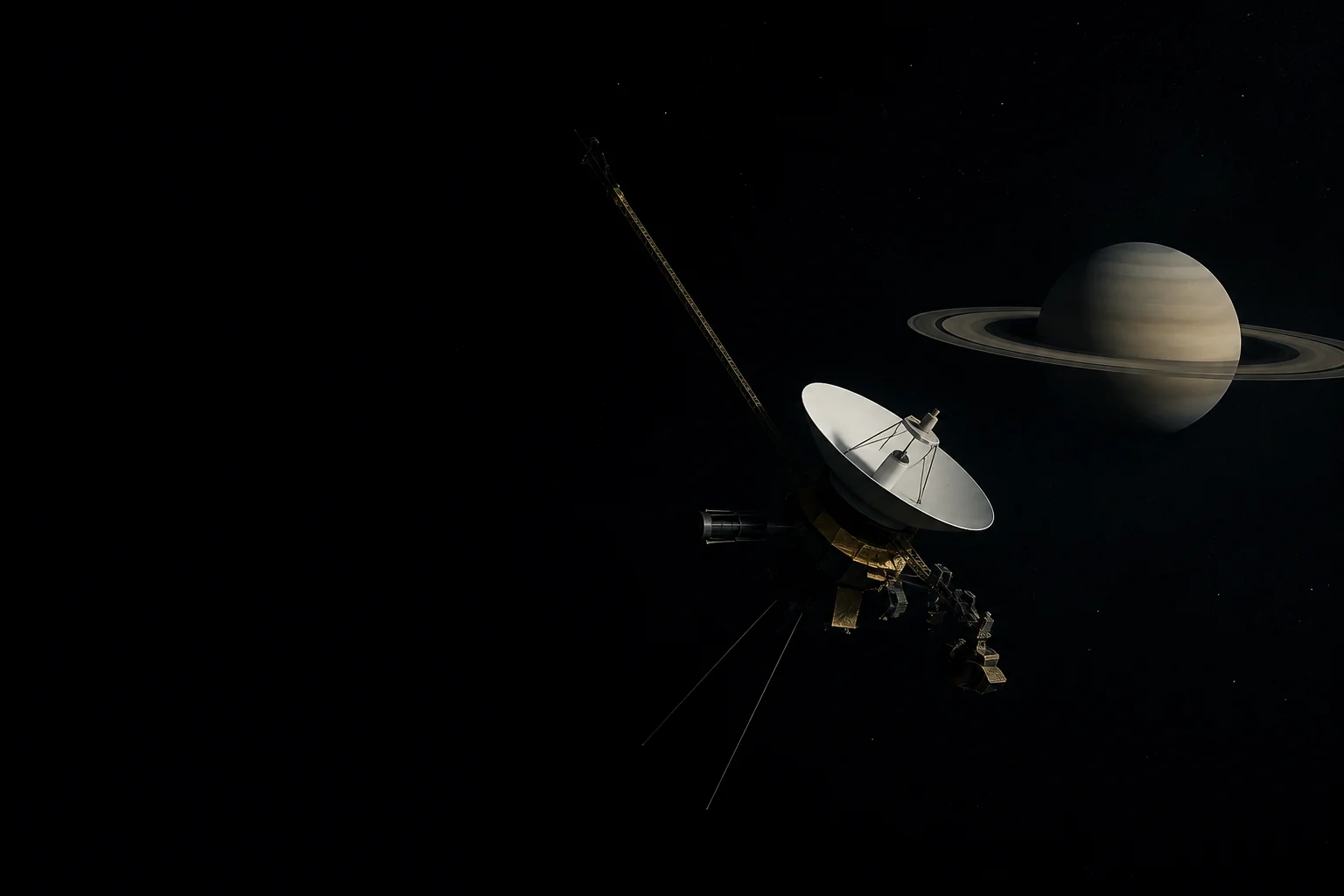
The real trajectories of Voyager 1 and 2 from launch to today, their current distance, speed and light time, and the edge of the solar system.
The comparison tables against JPL Horizons and the National Astronomical Observatory of Japan, with the maximum differences.
Aspect set and orbs (major and minor, luminary bonus), and the zodiac: tropical or sidereal with Lahiri, Fagan-Bradley, Raman or KP ayanamsa. Applies to the tools only.
New astronomical data and verification →
Sources
Sun, planets and asteroids: NASA JPL Horizons, apparent geocentric longitudes on the ecliptic of date, tabulated 1900–2100 and interpolated. Moon, planetary latitudes and distances: JPL Horizons TT tables; time corrections: USNO and Horizons EOP. Sidereal time, nutation, ΔT, mean nodes and Lilith: Meeus. Fixed stars: SIMBAD (ICRS J2000 with proper motion). Cities and time zones: GeoNames and the IANA tz database.
Banshoreki (萬象暦) is a free hobby project. Nothing you type leaves your device.